- View
Few dishes announce a celebration quite like lechona. This magnificent preparation takes an entire pig and transforms it into something that draws families and friends together around tables laden with food, laughter, and the kind of memories that last for years.
Found throughout the country but particularly cherished in the Tolima and Huila regions, lechona represents Colombian hospitality at its finest. The dish appears at weddings, baptisms, town festivals, and any gathering where people want to mark an occasion properly.
What makes lechona truly special is the patience required to create it. Preparing this dish isn’t something you do on a whim. It demands time, skill, and a willingness to embrace traditional methods that have been refined over generations.
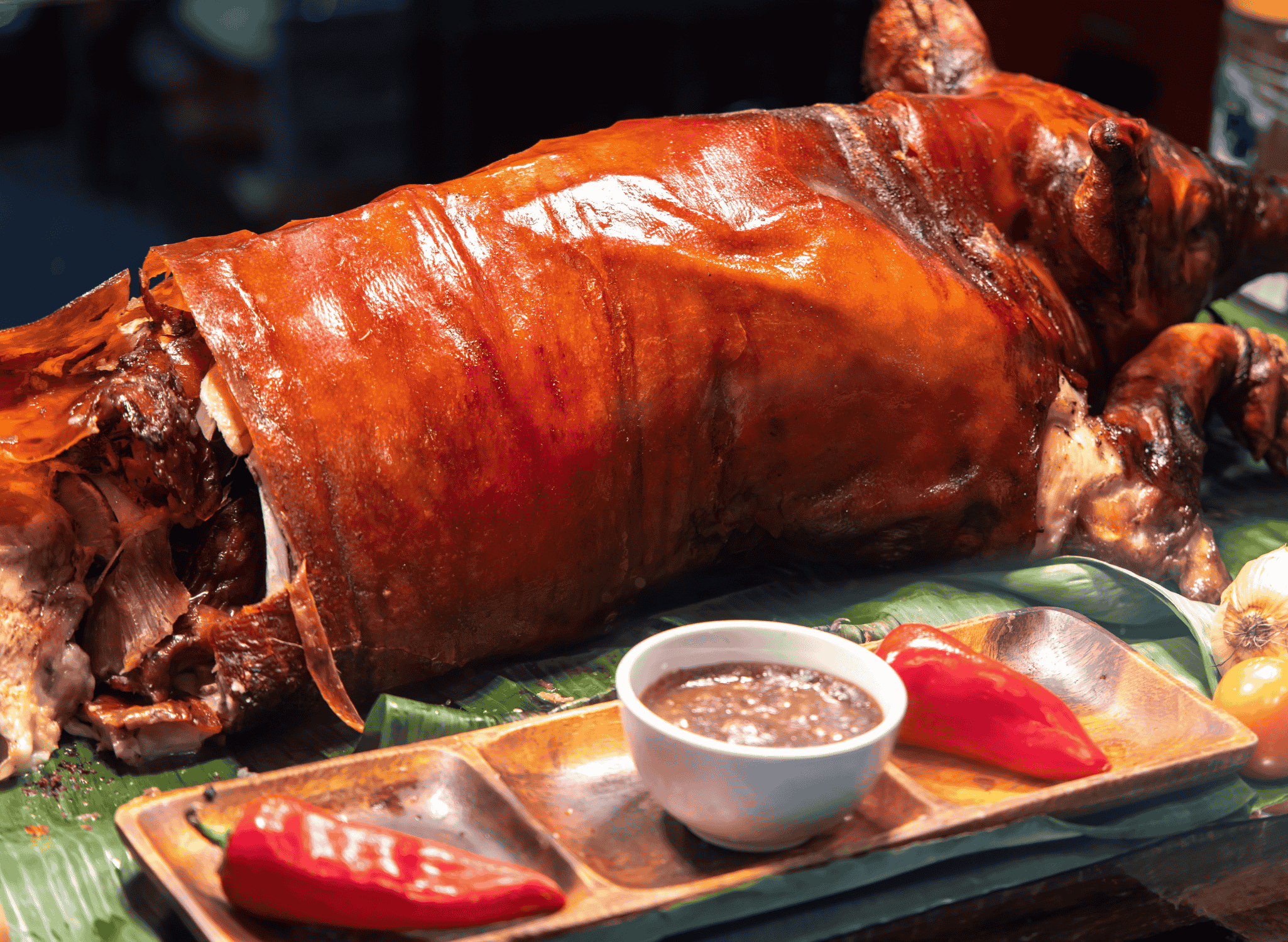
The result is worth every bit of effort. When sliced open, the golden, crackling skin reveals layers of seasoned rice, peas, and tender pork that have spent hours melding together inside the pig’s cavity, creating something far greater than the sum of its parts.
Want to dive deeper into Colombian Cuisine? Don’t miss our post on 23 Traditional Colombian Foods to Try
What Is Lechona?
Lechona is a whole pig that’s been deboned, stuffed with a savoury mixture of rice, peas, pork meat, and spices, then slow roasted until the skin turns brilliantly crispy. The preparation transforms the pig into a vessel for incredibly flavourful stuffing.
The process begins with careful deboning, leaving the skin intact to hold everything together. Skilled cooks remove the bones whilst preserving the pig’s shape, creating a natural casing for the stuffing that will cook inside.
The stuffing itself combines cooked rice with green peas, chopped pork meat, onions, and a blend of spices that varies between families and regions. This mixture gets packed tightly into the pig’s cavity before the opening is sewn shut with kitchen twine.
Traditional cooking happens in large outdoor ovens or specially designed brick structures where the pig roasts for eight to ten hours. The long, slow cooking allows the skin to render its fat and crisp beautifully whilst the stuffing absorbs all those rich pork flavours.
Modern preparations sometimes use conventional ovens, though purists insist the wood fired method produces superior results. Either way, the pig needs constant attention, regular basting, and patience to achieve that perfect balance of crackling skin and moist interior.
Ingredients and Taste
The ingredient list for lechona centres on accessible components that combine into something extraordinary. You need a whole pig, typically weighing between 20 to 40 kilograms depending on how many people you’re feeding at your celebration.
For the stuffing, long grain rice forms the foundation. Green peas add pops of colour and sweetness. Pork meat, often from the trimmings and offcuts, gets chopped and mixed in. Onions provide aromatic depth, whilst garlic brings its characteristic punch.
The seasoning blend typically includes cumin, which gives lechona its distinctive warmth. Ground achiote or paprika contributes both colour and subtle earthiness. Salt and pepper are essential, along with sometimes hogao, a Colombian sauce made with tomatoes, onions, and spices.
Some recipes incorporate chickpeas alongside or instead of peas. Others add chopped spring onions or coriander for freshness. Regional variations might include different spice combinations, but the basic principle remains consistent across preparations.
The taste is deeply savoury and incredibly satisfying. The crispy skin offers intense pork flavour with a crackling texture that contrasts beautifully against the tender stuffing. Each grain of rice has absorbed the pig’s rendered fat and seasoning.
The peas provide little bursts of sweetness that balance the richness. The pork pieces throughout the stuffing add meaty texture and depth. Everything melds together into a harmonious whole that tastes distinctly Colombian, with warm spices and comforting familiarity.
When served, lechona traditionally comes with arepas, which are perfect for scooping up the stuffing. The combination of crispy skin, flavourful rice mixture, and the slightly sweet corn cake creates a textural and flavour experience that keeps people coming back for more.
A Taste of History
Lechona’s origins reach back to Colombia’s colonial period, when Spanish cooking techniques merged with indigenous ingredients and methods. The practice of roasting whole pigs came from European traditions, but Colombians made it entirely their own.
The Tolima region, particularly around the town of Espinal, claims special connection to lechona’s development. This area became famous for producing exceptional versions of the dish, and many consider Tolima style lechona the gold standard against which others are measured.
Historical records suggest lechona evolved as celebration food partly because preparing an entire pig required significant resources and effort. Families would pool ingredients and labour, making the dish inherently communal and reserved for important occasions when communities gathered.
The stuffing method likely developed as a practical way to feed more people from a single pig. By filling the cavity with rice and other ingredients, cooks could stretch the meat further whilst creating additional flavour through the long roasting process.
Throughout the 20th century, lechona transitioned from purely home cooking to a commercial venture. Vendors began selling it from roadside stands and markets, particularly on weekends. These “lechonerías” became social gathering spots where people would stop for a plate.
Today, lechona remains deeply tied to Colombian identity and celebration. While you can find it year round in restaurants, it still holds special significance at festivals and family gatherings. The dish represents abundance, tradition, and the Colombian love of bringing people together over generous food.
How to Make Lechona (Stuffed Roasted Pig)
Lechona is one of Colombia’s most iconic festive dishes, a slow roasted pork stuffed with rice, peas, and aromatic seasonings. Traditionally cooked whole for special occasions, this smaller version captures the same flavours and spirit with tender meat, golden skin, and fragrant stuffing. See the recipe card at the bottom for printable directions
Ingredients
- 1.5 kg pork shoulder, skin-on
- 250 g pork belly, finely diced
- 1½ cups cooked white rice
- ¾ cup dried green peas, soaked overnight and boiled until tender
- 2 spring onions, finely chopped
- 3 garlic cloves, minced
- 1 small white onion, finely diced
- 1 large tomato, finely chopped
- 1 tsp ground cumin
- ½ tsp annatto powder (achiote)
- 1 tsp dried oregano
- 2 tbsp fresh coriander, chopped
- Salt and black pepper, to taste
- 2 tbsp vegetable oil
- ½ cup pork stock or water
- Lime wedges, for serving
Cooking Instructions
Step 1: Prepare the pork
Rinse the pork shoulder under cold water and pat dry with kitchen paper. Using a sharp knife, carefully loosen the skin from the meat to create a pocket, keeping the skin intact. This space will hold the savoury filling later.
Step 2: Make the stuffing base
In a large pan, heat the oil over medium heat. Sauté the white onion, spring onions, garlic, and tomato until softened and fragrant, about 5 minutes. Add the cumin, oregano, and annatto powder, stirring well to coat the vegetables with the spices.
Step 3: Combine the filling
Add the diced pork belly, cooked peas, and rice to the pan. Stir in the coriander, salt, and pepper. Pour in the pork stock and cook for 5 minutes to allow the flavours to meld. The mixture should be moist but not wet. Let it cool slightly before filling.
Step 4: Stuff the pork
Spoon the filling into the pocket beneath the skin, pressing it firmly to ensure even distribution. Sew or secure the edges with kitchen twine or skewers to keep the filling enclosed.
Step 5: Marinate the exterior
Rub the outer skin with salt and a touch of annatto for colour. Leave the stuffed pork uncovered in the fridge for at least 2 hours, or overnight if possible, to dry the skin for crispier roasting.
Step 6: Prepare the oven
Preheat your oven to 180°C (160°C fan). Line a roasting tray with foil and place a wire rack on top. Pour a small amount of water into the base of the tray to prevent burning and create steam for tender meat.
Step 7: Roast the lechona
Place the stuffed pork skin side up on the rack. Roast for about 2½ to 3 hours, basting occasionally with pan juices. The skin should gradually turn golden and blistered, while the meat becomes tender inside.
Step 8: Rest before slicing
Remove the pork from the oven and let it rest for at least 15 minutes. This allows the juices to settle, keeping the filling moist and flavourful.
Step 9: Carve and serve
Slice the lechona into generous portions, ensuring each serving includes both the crisp skin and the savoury filling. Serve with lime wedges and a simple salad or arepas for a complete Colombian experience.
Step 10: Presentation and garnish
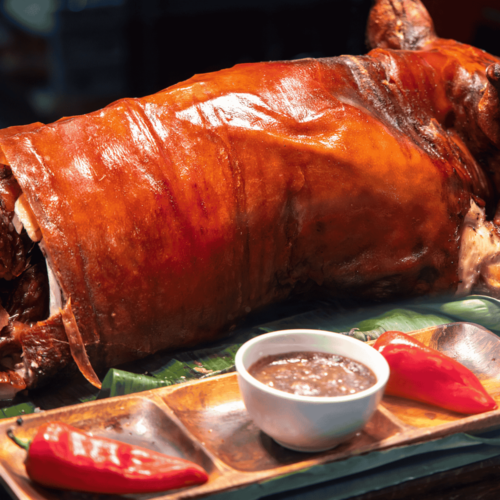
For an authentic touch, serve the dish on banana leaves and garnish with fresh coriander. The contrast between the crispy skin, tender pork, and seasoned rice makes this dish unforgettable.
Variations and Substitutions
- Pork cut: Pork leg can replace the shoulder if preferred, offering a leaner option.
- Achiote substitute: Use paprika mixed with a little turmeric for similar colour and warmth.
- Rice alternative: Replace white rice with brown rice for a nuttier flavour.
- Vegetarian version: Use cooked lentils and plant based sausage instead of pork belly for a creative alternative.
Cooking Tips for Perfect Lechona
- Always dry the skin thoroughly before roasting to achieve a crisp, golden finish.
- Resting the pork before carving ensures the juices are absorbed back into the meat.
- Use a meat thermometer; the internal temperature should reach about 75°C for perfect doneness.
- Save the pan drippings to drizzle over the sliced portions for extra flavour.
- Soak and cook the peas in advance to avoid excess moisture in the stuffing.
How to Store and Reheat
Storage Methods
Lechona produces substantial leftovers given its size, making proper storage essential for food safety and quality. Allow the lechona to cool to room temperature before storing, but don’t leave it out longer than two hours to prevent bacterial growth.
Separate the crispy skin from the stuffing mixture for storage, as they require different treatment. Store the stuffing in airtight containers in the refrigerator, where it will keep for three to four days maximum. The skin can be stored separately in a container.
For longer storage, freeze portions of the stuffing in freezer safe containers or bags. Properly frozen lechona stuffing maintains good quality for up to three months. Label containers with dates to track storage time and ensure you use older portions first.
Reheating for Best Results
Reheating lechona requires different approaches for the stuffing versus the skin. For the stuffing, your stovetop works brilliantly. Place it in a pan with a splash of water or stock to prevent drying, and heat over medium to low whilst stirring occasionally.
The microwave offers convenience for small portions. Place stuffing in a microwave safe dish, cover loosely, and heat in one minute intervals, stirring between each. Add a tablespoon of water if the mixture seems dry, as reheating can remove moisture.
The crispy skin needs special attention since you want to restore its crackle. Your oven is ideal here. Preheat to 200°C and place the skin on a wire rack over a baking tray. Heat for 10 to 15 minutes until it crisps up again beautifully.
Avoid microwaving the skin, as this turns it disappointingly rubbery rather than crispy. If you must use a microwave, do so only briefly and finish under a hot grill for a few minutes to restore some texture and crunch.
An air fryer works wonderfully for reheating both components. Heat the stuffing at 160°C for about five minutes, stirring halfway through. For the skin, increase temperature to 200°C and cook for three to five minutes until crackling returns.
Colombian Lechona (Stuffed Roasted Pig)
Equipment
- Mixing bowls
- Knife and cutting board
- Oven and baking tray
- Wire rack
- Aluminium foil
- Kitchen twine
- Basting brush (optional)
Ingredients
- 1.5 kg pork shoulder skin-on
- 250 g pork belly finely diced
- 1½ cups cooked white rice
- ¾ cup dried green peas soaked overnight and boiled until tender
- 2 spring onions finely chopped
- 3 garlic cloves minced
- 1 small white onion finely diced
- 1 large tomato finely chopped
- 1 tsp ground cumin
- ½ tsp annatto powder achiote
- 1 tsp dried oregano
- 2 tbsp fresh coriander chopped
- Salt and black pepper to taste
- 2 tbsp vegetable oil
- ½ cup pork stock or water
- Lime wedges for serving
Instructions
- Rinse the pork shoulder under cold water and pat dry with kitchen paper. Using a sharp knife, carefully loosen the skin from the meat to create a pocket, keeping the skin intact. This space will hold the savoury filling later.
- In a large pan, heat the oil over medium heat. Sauté the white onion, spring onions, garlic, and tomato until softened and fragrant, about 5 minutes. Add the cumin, oregano, and annatto powder, stirring well to coat the vegetables with the spices.
- Add the diced pork belly, cooked peas, and rice to the pan. Stir in the coriander, salt, and pepper. Pour in the pork stock and cook for 5 minutes to allow the flavours to meld. The mixture should be moist but not wet. Let it cool slightly before filling.
- Spoon the filling into the pocket beneath the skin, pressing it firmly to ensure even distribution. Sew or secure the edges with kitchen twine or skewers to keep the filling enclosed.
- Rub the outer skin with salt and a touch of annatto for colour. Leave the stuffed pork uncovered in the fridge for at least 2 hours, or overnight if possible, to dry the skin for crispier roasting.
- Preheat your oven to 180°C (160°C fan). Line a roasting tray with foil and place a wire rack on top. Pour a small amount of water into the base of the tray to prevent burning and create steam for tender meat.
- Place the stuffed pork skin side up on the rack. Roast for about 2½ to 3 hours, basting occasionally with pan juices. The skin should gradually turn golden and blistered, while the meat becomes tender inside.
- Remove the pork from the oven and let it rest for at least 15 minutes. This allows the juices to settle, keeping the filling moist and flavourful.
- Slice the lechona into generous portions, ensuring each serving includes both the crisp skin and the savoury filling. Serve with lime wedges and a simple salad or arepas for a complete Colombian experience.
- For an authentic touch, serve the dish on banana leaves and garnish with fresh coriander. The contrast between the crispy skin, tender pork, and seasoned rice makes this dish unforgettable.